Layers That Speak: Material and Texture Palettes for Refined Studio Living

Today we explore curated material and texture palettes for sophisticated studio interiors, revealing how surfaces, finishes, and tactility shape mood, light, and comfort in compact homes. Expect practical pairings, nuanced contrasts, and resilient finishes that age gracefully. We will blend design method with lived anecdotes, show you why a quiet floor can anchor a room, and invite you to share your favorite combinations, questions, or photos so we can fine-tune palettes together and build a conversation around truly expressive, human-centered studios.

Material Harmony in Small Footprints

A studio thrives when every surface contributes without shouting. Harmony emerges from a controlled roster of materials, repeating tones and grains to make boundaries dissolve. Think of wood, stone, metal, and textiles as a chorus: one carries melody, another adds rhythm, and the rest enrich with harmony. Repetition across zones creates calm, while one or two bolder textures bring character. The result is flow, easier maintenance, and a home that feels considered, restful, and personal rather than over-styled or sterile.

Ground, Frame, Crown: Floors, Walls, Ceilings

Treat the envelope as a three-part composition. Floors ground behavior, walls frame sightlines, ceilings crown the experience. When these layers coordinate, furniture feels lighter and circulation flows. Consider footfall sound, reflectance, and warmth underfoot. On walls, texture calibrates light and diminishes visual clutter. Above, a thoughtfully finished ceiling can visually expand height and guide illumination. By aligning these planes, even a narrow studio achieves grace, inviting lingering breakfasts, focused work, and soft transitions from day to night without spatial strain.

Mood-Driven Palettes

Begin with feeling, then choose materials. Ask how mornings should unfold and evenings should settle. A palette can energize work sessions, soften transition rituals, or cradle sleep. Calibrate texture density near activity zones, using grippier finishes where hands land and more refined surfaces where eyes rest. Keep three or four repeating materials as anchors, then rotate accents with textiles or small metals. This balances durability with flexibility, letting the studio adapt through seasons and changing creative cycles.

Light Meets Surface

Materials only fully reveal themselves through light. Direction, color temperature, and beam quality decide which textures sing and which feel flat. Test samples under daylight and evening settings, noting how grain, veining, and sheens respond. Prioritize consistent color rendering so wood undertones remain natural and skin tones flattering. Layer ambient, task, and accent lighting to create depth without glare. With this choreography, even modest materials read luxurious, while premium ones avoid ostentation, simply appearing honest, dimensional, and alive.

Furniture Finishes and Built-Ins

Freestanding pieces and millwork should echo the palette so the studio feels curated, not crowded. Limit finishes to a disciplined family, letting craftsmanship and profiles provide distinction. Built-ins can hide utilities, carve zones, and offer texture in controlled planes. Meanwhile, upholstery and rugs supply softness and seasonal change. Prioritize touch points—handles, edges, tabletops—because they telegraph quality daily. When finishes converse rather than compete, square footage stretches, and your studio gains the quiet confidence of tailored clothing.

A Kitchenette That Disappears When Needed

Use handleless fronts in microcement or matte lacquer color-matched to walls, so the cooking zone recedes visually. A thin stone or porcelain slab keeps lines crisp while resisting heat and stains. Integrate a ribbed glass cabinet for glow and subtle texture. Under-cabinet lights, tucked away, transform prep tasks without breaking the calm. When dinner is over, doors close, and the palette returns to living mode. Small space, big poise, achieved through finish continuity and disciplined detailing.

Custom Millwork as Texture Anchor

A wall of rift-sawn oak with rhythmic stiles can hide wardrobe, media, and desk nooks. The grain becomes a calm backdrop, repeating across sliding and hinged panels. Integrated pulls keep the surface uninterrupted. Inside, powder-coated steel shelves provide resilience, while felt-lined drawers protect delicate items. This system concentrates storage into one handsome plane, freeing other walls for art or windows. The material provides both utility and character, allowing the rest of the studio to remain lightly furnished and breezy.

Soft Seating and Grounding Rugs

Select upholstery that invites touch: wool-linen blends, refined bouclé, or mohair for evening warmth. Keep colors tonal with your woods and walls to avoid visual clutter. Pair with a low-pile, hand-tufted rug that outlines the living zone without tripping thresholds. A small leather ottoman introduces subtle sheen and patina potential. Each element earns its place by layering tactile comfort over structural calm, ensuring that the room feels indulgent yet disciplined, supportive of both deep rest and thoughtful conversation.

Color, Undertone, and Metal Accents

Undertone Trials That Prevent Surprises

Paint three large samples and stand wood, stone, and fabric beside them at various times of day. Photograph mornings and evenings to study shifts. That greige you loved may flash green next to oak, or the limestone might pull pink. Adjust until temperatures align. This patient testing saves costly repaints and ensures that every surface supports the others, so mornings feel balanced, evenings glow, and the camera never lies when you invite friends to admire your calm composition.

Choosing Metals with Restraint

Decide on one primary metal for continuity—perhaps satin nickel for cool clarity or soft brass for warmth—then add a secondary in tiny doses for depth. Mixing everything dilutes impact. Test metals against wood undertones and wall finishes, not in isolation. Watch how patina develops where hands touch most. The right pairing frames textures, making oak feel richer, stone quieter, and fabrics more dimensional, while the wrong one turns elegant materials brash. Edit bravely, and the palette coheres beautifully.

Micro-Contrast Through Texture, Not Color
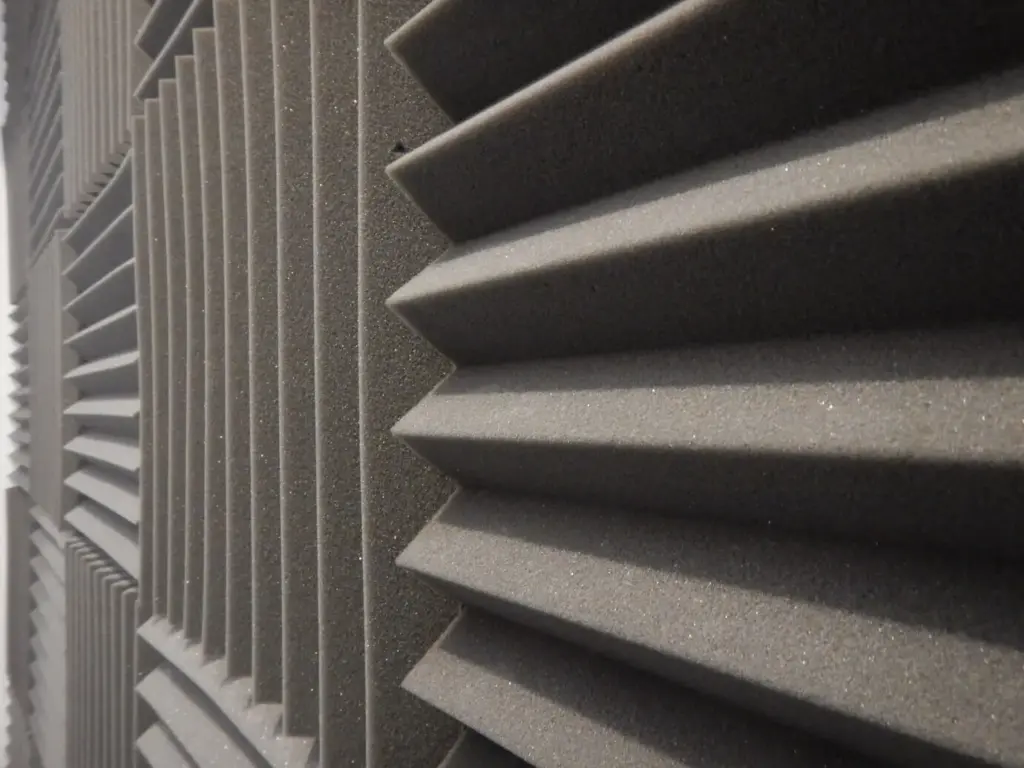
Create interest by pairing close tones with distinct textures: matte plaster beside satin cabinetry, tight-weave wool near mohair, honed stone against subtly brushed metal. The palette remains calm, yet the room avoids monotony. This approach shines in small studios, where bold colors can fragment space. Micro-contrast rewards proximity, making daily routines sensorially rich. Guests sense depth without pinpointing why, and photography reads luxuriously understated. The environment stays adaptable as seasons change, needing only textile swaps to refresh energy.

Care, Patina, and Long Life

Elegance grows from use. Choose finishes that welcome touch and improve with maintenance rituals instead of demanding perfection. Document care—oil calendars, gentle cleaners, reseal schedules—and your investment becomes more beautiful yearly. Imperfections become stories rather than flaws. By respecting material limits and celebrating patina, you keep landfill contributions low and identity high. Share your upkeep victories and questions with our readership; we love swapping tricks that make studios age gracefully while staying healthy, fresh, and inspiring.

Planning for Patina with Intention

Oiled oak, unlacquered brass, and soapstone develop character that many find irresistible. Place these where patina looks purposeful—handles, side tables, open shelves—while using more stable finishes for heavy-duty zones. Record when to re-oil or buff, treating upkeep as a seasonal ritual. Over time the studio gains an unmistakable authenticity, the kind that photographs cannot counterfeit. Your materials will tell a story of care, not neglect, and visitors will read your space as both composed and deeply lived-in.

Cleaning That Protects Texture

Use pH-appropriate cleaners on stone, microfiber cloths on metals, and soft brushes for textured plasters. Vacuum rugs with adjustable heads to preserve pile, and rotate them to distribute wear evenly. Avoid aggressive gloss polishes that flatten subtle sheens. Routine, gentle care sustains the nuanced light play you curated. Think of maintaining texture as tuning an instrument: small, regular adjustments keep the symphony balanced, ensuring that every surface continues to perform beautifully under both sunshine and lamplight.

Smart Upgrades on a Real Budget

When a full overhaul isn’t possible, target high-impact surfaces: replace cheap hardware with solid metal, apply mineral paint for depth, add cork panels for acoustics and pin-ups, or lay a well-proportioned rug to visually zone. Peel-and-stick terrazzo-look tiles can refresh a utility corner until a proper renovation. Each move respects the existing palette while nudging it toward cohesion. Share your before-and-after shots with us; your experiments can inspire others facing similarly tight footprints and ambitious design goals.

Kekinifuzenoluralapo
Privacy Overview

This website uses cookies so that we can provide you with the best user experience possible. Cookie information is stored in your browser and performs functions such as recognising you when you return to our website and helping our team to understand which sections of the website you find most interesting and useful.